
What is HIV?
Overview
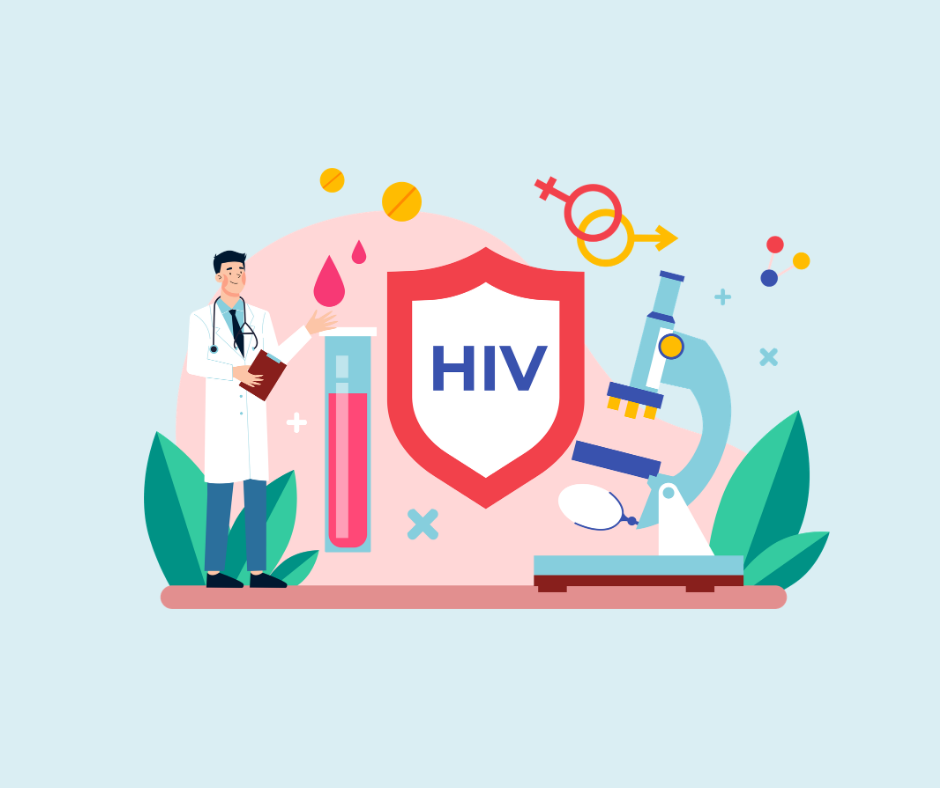
HIV (Human Immunodeficiency Virus) is a virus that attacks the body’s immune system. If left untreated, it can lead to advanced disease (AIDS). While there is no cure, HIV can be effectively managed with medication, allowing people to live long, healthy lives.
Symptoms
Some people may experience flu-like symptoms 2–4 weeks after infection, while others may not notice any symptoms for years.
Some common symptoms include:
Fever
Fatigue
Sore throat
Rash
Swollen lymph nodes
Muscle aches
Because symptoms may be mild or not appear at all, testing is the only way to know if you have HIV.
How it spreads
HIV is spread through certain body fluids entering the body. These include blood and sexual fluids.
HIV is most commonly spread through:
Vaginal or anal sex without protection
Sharing needles, syringes, or injection equipment
Blood exposure
It can also be passed:
From parent to child during pregnancy, birth, or breastfeeding
HIV is not spread through casual contact like hugging, sharing food, or using the same bathroom.
Prevention
There are several effective ways to reduce the risk of HIV:
Using condoms correctly every time you have sex
Taking PrEP (pre-exposure prophylaxis), a daily medication that helps prevent HIV. DIHFS offers free PrEP.
Taking PEP (post-exposure prophylaxis) after a possible exposure
Not sharing needles or injection equipment
Getting tested regularly and knowing your status
People living with HIV who are on treatment and have an undetectable viral load cannot pass HIV to others through sex.
Testing and Treatment
Getting tested is the only way to know your HIV status. Because HIV may not cause symptoms for a long time, testing is an important step in protecting your health.
HIV testing is simple and can be done with a blood test or a quick oral (mouth swab) test
Some tests can detect HIV as early as a few weeks after exposure
Testing is often available at clinics including Denver Indian Health and Family Services, community health centers, and free or low-cost testing sites
It is recommended that everyone get tested at least once, and more often if they may have ongoing risk.
Knowing your status helps you:
Start treatment early if positive
Take steps to stay negative if negative
Protect your partners and your community
Testing
While there is no cure for HIV, it can be effectively managed with daily medication called antiretroviral therapy (ART).
ART lowers the amount of virus in the body (viral load)
It helps protect the immune system and prevents serious illness
Treatment should be started as soon as possible after diagnosis
With consistent treatment, many people reach an undetectable viral load, which means:
The virus is so low it cannot be detected by standard tests
HIV cannot be passed to others through sex (Undetectable = Untransmittable, or U=U)
People living with HIV who stay on treatment can live long, healthy lives.